
Mid-foot pain is a common complaint in long-distance runners. One less common cause is the Knot of Henry pain — inflammation where two foot tendons cross at the mid-foot. It’s easily missed because it mimics more familiar causes of mid-foot pain. So what is Knot of Henry pain, and how do we diagnose it?
Knot of Henry pain is one of several causes of foot and ankle pain we assess in runners.
What is the Knot of Henry?

The Knot of Henry is a space just under the surface of the mid-foot, on the inner side of the sole. Two tendons of the foot — the flexor hallucis longus (which bends the big toe) and the flexor digitorum longus (which bends the other toes) — cross over each other in this space. This crossover point is prone to repetitive friction from running, which inflames the tendons and their sheaths. It can also inflame the small medial plantar nerve – which is a branch of the tibial nerve.
Symptoms of Knot of Henry pain
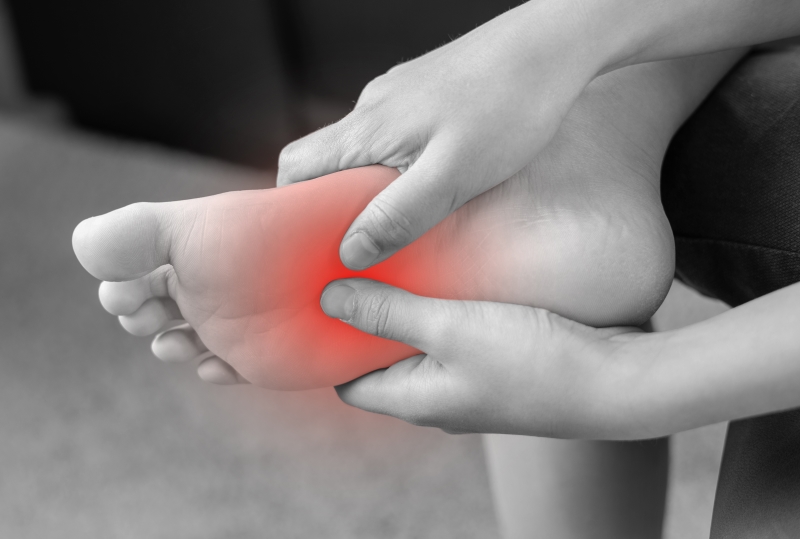
Runners with Knot of Henry pain usually report localised pain on the undersurface of the mid-foot, below and in front of the heel, on the inner side of the foot. Running typically aggravates the pain, and rest relieves it. Some people also notice pain when actively bending the toes.
How do we diagnose Knot of Henry pain?
The pain is localised to the undersurface of the mid-foot. A careful examination reveals tenderness exactly at the tendon crossover, and resisted bending of the big toe (first-toe flexion) often reproduces the pain.
It’s essential to exclude the other, more common causes of mid-foot pain:
- Navicular stress fracture
- Accessory navicular
- Tibialis posterior tendonitis
- Subtalar joint arthritis
- Tarsal coalition
- Jogger’s foot
We usually use an MRI to confirm the diagnosis and exclude these other causes. The typical findings are swelling of the flexor hallucis longus tendon sheath, combined with tendonitis or a partial tear at the crossover. Ultrasound can also assess the tendons and guide an injection.
Knot of Henry treatment
We start with simple treatments. Anti-inflammatory measures — ice and oral NSAIDs such as ibuprofen — reduce inflammation and pain at the tendon crossover. A podiatry review is essential to assess whether orthotic insoles will reduce friction at the crossover. Physiotherapy also helps by strengthening the intrinsic muscles of the calf and foot and improving heel and mid-foot control.
If simple measures don’t settle it, we consider a guided cortisone injection at the crossover. We recommend ultrasound guidance to improve accuracy and reduce injection-related side effects, since the tendons here are small and close together.
Finally, in stubborn cases that fail everything else, we consider surgical release of the tendons at the Knot of Henry. We generally suggest endoscopic (keyhole) rather than open release to reduce downtime and complication rates.
Frequently asked questions about the Knot of Henry pain
Where exactly is Knot of Henry pain felt?
On the undersurface of the mid-foot, on the inner (medial) side, below and just in front of the heel, where the flexor hallucis longus and flexor digitorum longus tendons cross. It’s deeper and more central than plantar fasciitis pain, which sits more at the heel.
What makes Knot of Henry pain worse?
Running and activities that repeatedly load and bend the toes increase friction at the tendon crossover. The pain typically eases with rest, then returns on running again.
How is it different from tibialis posterior tendonitis or jogger’s foot?
All three cause inner-foot pain and can feel similar. Tibialis posterior tendonitis affects a different tendon higher towards the inner ankle; a jogger’s foot is a nerve entrapment causing burning or tingling. Knot of Henry pain is tendon friction at the crossover, reproduced by resisted big-toe bending. An MRI or ultrasound distinguishes them.
Does Knot of Henry pain need surgery?
Rarely. Most cases settle with rest, anti-inflammatories, orthotics, physiotherapy, and — if needed — an ultrasound-guided cortisone injection. Surgery (keyhole release) is reserved for the few cases that fail all of these.
How long does Knot of Henry pain take to recover?
Like most tendon problems, it can be slow — often several weeks to a few months — and recovery is quicker when the aggravating load is reduced early, and orthotics correct any contributing foot mechanics.
Final word from Sport Doctor London about Knot of Henry pain
Consider Knot of Henry pain in any runner with localised tenderness on the undersurface of the mid-foot. The key is to exclude the more common causes — stress fractures and mid-foot arthritis in particular — and then treat the tendon friction with simple measures first. See a sports medicine doctor experienced in foot and ankle conditions for an accurate diagnosis.
To book a one-stop foot and ankle assessment with Dr Masci in London, contact the team here or call +44 (0) 203 488 0350.
Thank you
One that help me to treat my patient