

CRPS — complex regional pain syndrome — is a condition thought to be due to an abnormality in the way nerves in the limbs and spinal cord process pain. It causes severe pain in a limb, out of proportion to the original injury. Other terms for it include reflex sympathetic dystrophy and causalgia. So what does CRPS feel like, and what can be done about it?
(A note on the name: this condition is correctly called complex regional pain syndrome. It’s often called “chronic regional pain syndrome”, but “complex” is the accurate term.)
What is CRPS?
CRPS usually affects one of the extremities — a hand, arm, leg, or foot. Its defining feature is intense, continuous, burning pain disproportionate to the injury that triggered it.
There are two types, with similar symptoms but different causes:
- Type 1 (reflex sympathetic dystrophy) — follows an injury or illness that didn’t directly damage a nerve. Around 90% of cases are this type.
- Type 2 (causalgia) — follows a distinct nerve injury.
What causes CRPS?
There’s usually a history of trauma. Sometimes it’s innocuous, such as a sprained ankle; sometimes it’s more severe, such as complex trauma after a fall or a road accident. Surgery, fractures, and even minor injuries can trigger it — and, occasionally, no clear trigger is found.
Why some people develop CRPS, and most don’t, isn’t fully understood. It’s thought to involve an atypical interaction between the central and peripheral nervous systems, together with an abnormal inflammatory response. It isn’t caused by anything the person did, and it isn’t “in the mind” — though, as with any severe ongoing pain, stress and low mood can make it feel worse.
CRPS symptoms
The main symptom is severe, burning, continuous pain in the affected limb, far greater than the original injury would explain. Other features include:
- Sensitivity of the skin, so that light touch or cold is painful
- Swelling of the affected limb
- Changes in skin colour and temperature — the limb may look red and warm, or pale, blue, and cold.
- Changes in skin texture, and in hair and nail growth
- Stiffness and reduced movement of the nearby joints
- Muscle spasms, weakness, or trembling
The pain sometimes spreads beyond the original site — to the whole limb, and occasionally to the opposite side. Emotion, anxiety, and low mood can intensify it, which is a recognised feature of the condition rather than a sign that the pain isn’t real.
The impact on mood and wellbeing
Living with severe, persistent pain is hard, and CRPS commonly affects sleep, mood, and quality of life. Anxiety and depression are common, and they’re an understandable response to ongoing pain — not a cause of it. Addressing this side of things is a genuine part of treatment, not an afterthought. If pain is affecting your mental health, it’s important to talk to your doctor, who can help you get the right support.
How is CRPS (reflex sympathetic dystrophy) diagnosed?
There’s no single test for CRPS — the diagnosis is made clinically, from the history and examination, using recognised criteria (the Budapest criteria). Your doctor looks for the characteristic pain and the changes in skin colour, temperature, swelling, and movement, often comparing the affected limb with the healthy one.
Investigations mainly help to exclude other causes of limb pain — such as an infection, a nerve entrapment, a stress fracture, or a blood clot. Tests may include X-rays, MRI, bone scans, and blood tests. Getting the diagnosis right and early is important — because early treatment offers the best chance of improvement.
How is CRPS treated?
The earlier treatment starts, the better the outlook. The main aims are to reduce pain and to keep the limb moving. Treatment usually combines several approaches:
- Physiotherapy and occupational therapy—keeping the limb moving and functional is central and often the most important part—and graded exercise and techniques such as mirror therapy and desensitisation help.
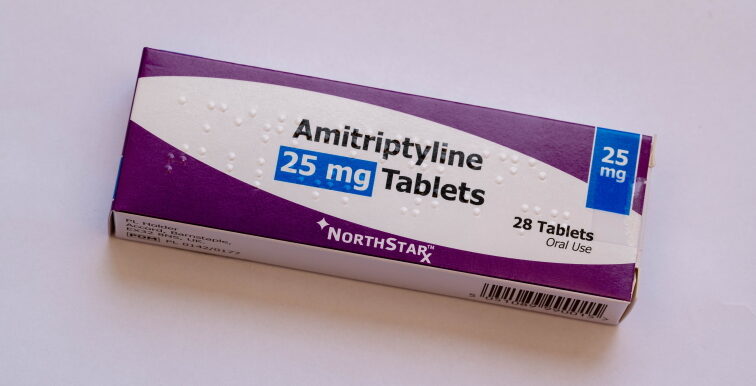
- Medication — nerve-pain medicines such as amitriptyline, gabapentin, or duloxetine, rather than ordinary painkillers, which tend not to work well.
- Pain-management input — a specialist pain clinic can offer nerve blocks and other interventions in more difficult cases.
- Psychological support — pain-focused psychology (such as CBT) helps people cope with, and reduce, the pain, and supports mood and sleep.
Because CRPS sits at the interface of sports medicine, pain medicine, and rehabilitation, Dr Masci works alongside pain specialists and therapists to coordinate care.
What is the outlook for CRPS?
The outlook varies. Many people improve significantly, particularly when treatment starts early, and some recover fully. Others have longer-lasting symptoms that need ongoing management. The consistent message from the evidence is that early diagnosis and early, active treatment — especially keeping the limb moving — give the best results.
Frequently asked questions about CRPS.
Is it “complex” or “chronic” regional pain syndrome?
The correct name is complex regional pain syndrome. “Chronic regional pain syndrome” is a very common mix-up — understandable, since the pain is chronic — but “complex” is the accurate term, reflecting the mix of pain, nerve, skin, and circulation changes involved.
What does CRPS feel like?
CRPS symptoms are usually an intense, constant, burning pain in a hand, arm, leg, or foot, far worse than the original injury would explain. The skin is often painfully sensitive to light touch or cold, and the limb may swell and change colour and temperature. The pain can spread beyond where it started.
Can CRPS be cured?
Many people improve substantially, and some recover completely — especially with early treatment. Others have longer-term symptoms that are managed rather than cured. The single most important factor is starting active treatment early, particularly keeping the limb moving.
Is CRPS a real physical condition?
Yes. CRPS is a recognised disorder of how the nervous system processes pain, with measurable changes in the skin, temperature, and circulation of the affected limb. Stress and low mood can worsen the pain, as with any chronic pain, but they don’t cause it — and the pain is entirely real.
What kind of doctor treats CRPS?
CRPS is best managed by a team — typically including a doctor experienced in pain and musculoskeletal conditions, physiotherapists and occupational therapists, a pain-management specialist, and psychological support. Coordinated, multidisciplinary care that starts early yields the best outcomes.
Final word from Sport Doctor London about CRPS
CRPS is a complex condition in which pain and changes in the skin and circulation of a limb persist out of proportion to the original injury. It can be distressing — but the outlook is often better than people fear, especially when treatment starts early and keeps the limb moving. An accurate, early diagnosis and coordinated, multidisciplinary care are the keys.
If you have severe, persistent limb pain after an injury, Dr Masci can assess you in London and help coordinate the right care. Contact the team here or call +44 (0) 203 488 0350.
“However, the usual findings of elevated antibodies in autoimmune disease is not a feature of CRPS.”
I think there is at least some evidence for autoantibodies in CRPS.
Dubuis, E, Thompson, V, Leite, MI, Blaes, F, Maihofner, C, Greensmith, D, Vincent, A, Shenker, N, Kuttikat, A, Leuwer, M, Goebel, A. Longstanding complex regional pain syndrome is associated with activating autoantibodies against alpha-1a adrenoceptors. Pain 2014; 155: 2408–2417.
Kohr, D, Singh, P, Tschernatsch, M, Kaps, M, Pouokam, E, Diener, M, Kummer, W, Birklein, F, Vincent, A, Goebel, A, Wallukat, G, Blaes, F. Autoimmunity against the beta2 adrenergic receptor and muscarinic-2 receptor in complex regional pain syndrome. Pain 2011; 152: 2690–2700.
Many thanks for your comment.
I have no doubt that CRPS is an autoimmune process. However, my comment pertains to the findings on a typical autoimmune blood screen. generally, in CRPS, the blood screen is negative – excluding a common immune-related condition such as lupus or inflammatory arthritis. I have clarified this statement in my blog.
Lorenzo
Very interesting. I think mine was caused by the cast being to tight. I don’t know why they don’t give you an information sheet telling you all the things ghst can go wrong with the cast so you know when to get help. Thus wd be an excellent idea. A fact sheet wd be great. For myself, I am in tge 20 percent that fell onto the wrist with the top of the hand down. I had a box in my hand when I fell. Twice I went to emergency to get the cast loosened. Terrible experience