

Amitriptyline is an old-style antidepressant that we sometimes use for pain conditions at lower doses than for depression. Because it works on the nervous system, it’s more effective for neuropathic pain than for pain caused by musculoskeletal disorders. So, how do we use amitriptyline for pain?
Amitriptyline for pain: how does it work?
Generally, amitriptyline works by increasing hormones such as serotonin and norepinephrine, which play a role in pain modulation. Therefore, we think this medication accumulates outside the nerve cells and reduces pain messages in the spinal cord.
Overall, it helps conditions associated with central sensitisation, i.e., the exaggerated response of the pain alarm system to peripheral stimulation. It also assists in treating nerve-related pain, such as sciatica or singles.
Which conditions respond to amitriptyline?
We use amitriptyline ‘off-label’ for many pain conditions, such as:
- Nerve inflammation due to conditions such as diabetes
- Pinched nerve pain from the lumbar spine, also known as ‘Sciatica’.
- Chronic musculoskeletal conditions such as arthritis or chronic shoulder or lower back pain. Amitriptyline is effective for chronic pain states where the pain system is hypersensitised. However, recent evidence suggests less evidence for effectiveness in chronic musculoskeletal pain compared to conditions such as depression.
Amitriptyline dose for pain
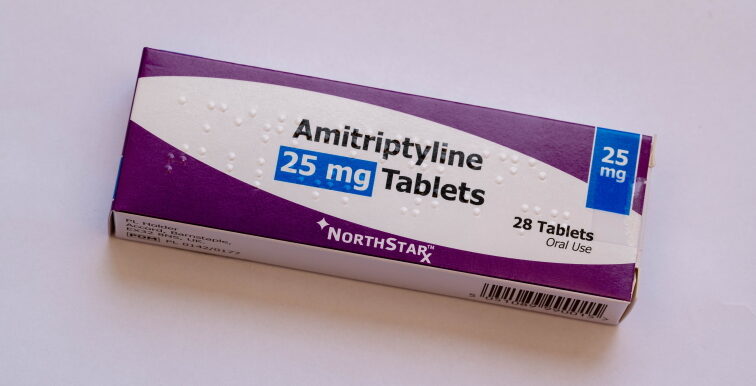
The correct dose of amitriptyline for pain conditions is still unknown. However, we know that the dose is much lower than that used for depression.
It is important to titrate the dose of amitriptyline, meaning that you start low and slowly increase as tolerated. Generally, titrating the dose will reduce side effects. Overall, the dose of amitriptyline ranges from 20 to 75mg daily. The maximal dose of amitriptyline for pain is about 100mg daily. Anything above 100mg is probably not effective for pain.
A recent study suggested doses of 50-75mg for pain conditions.
Amitriptyline is long-acting, so it should only be taken once daily. However, taking it a couple of hours before bedtime is best.
Amitriptyline for pain: adverse effects
Generally, side effects are common when taking amitriptyline for pain. However, as the dose is lower than for depression, side effects are milder and better tolerated. Often, side effects are temporary and settle after a few weeks, but you may still suffer from adverse effects even after months of using it. Usually, side effects are dose-related and improve with a lowering of dose.
Common side effects include:
- Sleepiness or drowsiness
- Headache
- Increased appetite
- Dry mouth.
Generally, using amitriptyline at night will reduce tiredness the next day.
Less common side effects include skin rash, mood change, anxiety, and increased bleeding.
However, a lower dose of amitriptyline for chronic pain has fewer side effects.
Precautions and contraindications
Amitriptyline should not be used if you’ve had a heart attack, a heart rhythm disorder, or recent seizures or strokes.
Amitriptyline can make you excessively tired, so you should avoid driving or operating dangerous equipment if you are feeling fatigued.
Finally, it would be best if you were careful with alcohol as the effects of alcohol can be magnified while on this drug. Also, you should inform your doctor if you take other medications such as thyroxine, other anti-depressants, and certain analgesics such as tramadol.
Frequently asked questions about amitriptyline for pain
How does amitriptyline work for nerve pain?
We don’t know exactly. Amitriptyline stops the nervous system’s reabsorption of serotonin and noradrenaline. Therefore, we suspect it works by increasing the concentration of these hormones, settling the nerves’ sensitivity, and thereby reducing nerve pain. This mechanism differs from that in depression as the dose is much lower.
How should I increase the dose of amitriptyline?
Generally, you should start at a low dose (10-25mg) and increase by 10mg every 7-10 days.
Is 10mg of amitriptyline enough for nerve pain?
Ten mg is a low dose. Generally, we advise a 20-50mg dose for nerve pain, although the dose also depends on side effects. Some people can only tolerate a 10mg dose.
How long does amitriptyline take to work for pain?
Unlike regular pain medication, amitriptyline does not work immediately. Usually, you will notice an effect after a few weeks. Increasing the dose by 10-25mg may increase the impact.
Is amitriptyline addictive?
No. However, it is vital that you stop amitriptyline slowly for about a month. Generally, we suggest reducing the dose by 1/2 for two weeks and then by 1/4 for another two weeks.
Amitriptyline and sleep: Is it a sleeping tablet?
Amitriptyline can cause drowsiness and can be taken to help sleep. Rest can improve pain. However, it is not thought to be a sleeping tablet.
How long do I need to take amitriptyline?
There are no definite rules on how long you should take amitriptyline for pain. However, you should take this medication for at least three months.
Can I take ibuprofen with amitriptyline?
Yes. Ibuprofen or other NSAIDs reduce inflammation and improve pain in many musculoskeletal problems. It is generally safe to take these two tablets together.
What painkillers can I take with amitriptyline?
You can take other painkillers with different mechanisms of action. Examples include NSAIDs such as ibuprofen, paracetamol and opioids such as codeine. However, it would be best if you were cautious of adding other nerve pain medications such as duloxetine, gabapentin or pregabalin.
Are there interactions between amitriptyline and alcohol?
Yes. Amitriptyline will increase the sedative effects of alcohol. In general, we suggest you moderate your intake of alcohol while on amitriptyline.
What can I take instead of amitriptyline for nerve pain?
Generally, we consider other medications if patients cannot tolerate Amitriptyline for pain. However, sometimes, people take alternative drugs.
Duloxetine
This drug is a different antidepressant that works on other brain and spinal cord receptors. It increases the levels of serotonin and norepinephrine in the brain. Although its primary use is in depression, recent evidence suggests that this drug is also effective for pain in musculoskeletal disorders such as chronic arthritis or nerve pain such as sciatica.
A recent study found that Duloxetine was moderately effective for chronic low back pain, knee arthritis and nerve pain. Another study found that Duloxetine was probably the most effective drug for chronic pain.
We used a dose of 30-60mg for a few months. It would be best to take Duloxetine with food or water, but don’t break open the capsule.
Common side effects include drowsiness, stomach irritability and an increase in anxiety.
Pregabalin or Gabapentin
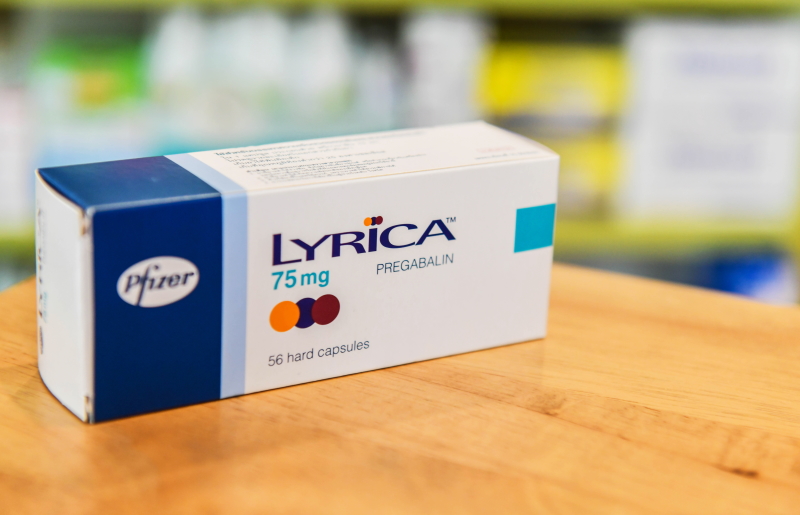
We know these drugs by their common brand names, Neurontin or Lyrica. Neurontin is an anticonvulsant drug used to prevent seizures. Recent studies suggest it is also effective for pain. Nevertheless, it has significant side effects, such as drowsiness. As such, we use Lyrica less frequently for pain.
A recent review of Gabapentin vs Pregabalin found that Pregabalin was more effective with fewer side effects. Moreover, multiple prescriptions of Gabapentin for chronic low back pain were associated with an increased risk of dementia.
Which is better for pain, gabapentin or amitriptyline?
Overall, Amitriptyline has the upper hand in treating pain. It is less addictive, has fewer side effects, and is generally more effective than gabapentin.
Amitriptyline and gabapentin: Can I take these medications together?
Yes, but you must be careful of side effects such as drowsiness. We recommend you speak to a pain consultant if you need both tablets.
Final word from Sportdoctorlondon about Amitriptyline for pain
We think Amitriptyline suits chronic pain such as nerve trapping or shoulder or back pain. However, it is vital to make sure you take the medication correctly. Also, you should be aware of potential side effects.
Recent evidence suggests that Duloxetine is a good alternative for chronic low back pain, nerve pain and knee osteoarthritis.
Should amitriptyline be taken everyday for pain to build in the system or can you just take one when you feel you need it
Hi Diane,
You should take amitriptyline every day rather than just when you think you need it. It doesn’t work like regular pain killers such as ibuprofen or paracetamol. Often, it takes a few weeks to start working. Lorenzo
How long will it take for amitripline to work for OA
Hi Brenda, as I mention in my blog, I suggest a trial of about two months. The other option is duloxetine – which is my first line option for arthritis.
Lorenzo
Hi lorenzo I would like to put my concerns forward regarding my medication I’ve been on 20mg of amiltriptyline for approx 10yrs along with codine an paracetamol to counter attack sciatic stretch I’ve had type 1 diabetes for approximately forty years along with ramapril statins amlodipine should I be concerned
Regards simon
Hi Simon,
While I have concerns about long-term amitriptyline (for greater than 6 months), I much prefer amitriptyline to other drugs such as codeine. If using Amitriptyline means you use less codeine, I think the benefits outweigh the risks. LM
CAN I TAKE IBOPROFEN IN THE DAY AND FOLLOWED BY AMITRIPTYLINE(ONE AT NIGHT) ?
yes should be fine to take both.
Hi, I asked my rheumotologist if I can take it when i need it and she said yes, but I’m finding this to be ineffective when I read up on it.. Took 10mg last night and today (day after) I have no energy and tired, I went back to bed, then when I woke up feels like someones hit me with a piece of 4×2 at the back of my neck/head, but this headache could be due to overdoing it yesterday.
Hi Karen, sometimes you need to start at a very low dose – I’d suggest 5mg (break 10mg tablet in half). Headache is not a common side effect but it could still be related to amitriptyline. Lorenzo
l have to take 4 tablets every night to be free of pain with terrible sciatica in a morning getting out of bed l am a fit 83 yr old with one stent fitted.l am pescribed 3 but sill get bad pain so having to take four.
My wife has been on Amitriptyline for the past 15 years or more she takes them at night going to bed she does moaning with pain true the night turning and twisting sleeps for a while wakes up and can’t sleep she does be awake and can’t sleep she is very good at praying she prays so much that she goes back to sleep anoints to herself, I’m wondering is there some other drug she can get from her doctor, she has told her doctor about what I have told you and he tells her to take more of the Amitriptyline I think that is not the answer maybe you tell about other drugs that can help I’m very concerned for her , yours sincerely Billy Byrne , my email is billybyrne2014@gmail.com.
Hi Billy – sorry to hear that your wife is having issues. There are other options for pain medication – I outline them in my blog at the end. perhaps a trial of another drug such as duloxetine or nortriptyline is required.
Lorenzo
Hi Lorenzo
I have a bulging S1 disc , been in agony for 6 months , intense pain down left leg , can barely walk . Saw the hospital specialist today , i am waiting for a Root nerve block injection. I told the specialist i need a better pain killer than Naproxen. He has prescribed this drug , but i do not need anti depressents , i do not want my mind to change , foes this drug change your mind ? I only want pain relief
Hi Michael, As I explain in the blog, a lower dose of amitriptyline has an effect on pain. You need to take larger doses of amitriptyline (5X) for an anti-depressant effect. Lorenzo
I have been taking 10mg amitriptyline at night for chronic sciatic pain from a bulging disc. For me personally it is a miracle drug. I was prescribed it by a musculo-skeletal specialist at my doctor’s surgery. I consider the results to be immediate and amazing – over two years I had tried massage therapy, a podiatrist, physiotherapy and chiropractic treatment and nothing worked – but amitriptyline literally relieved my nerve pain overnight.
I’m a bit depressed that I have to wait so long to build up the dose as I have had too much pain to sleep for over two weeks already.
Plus the weight gain aspect worries me. ;(
I have a cracking head-ache only at night which gets like right sided migraine by early morning, but don’t know if it is still from the Tramadol I was on, or the Statins I take or what is causing it. I’m not dehydrated.
Hi Steph,
Low dose amitriptyline is less likely to cause side effects such as weight gain.
Chronic tramadol use can cause chronic headaches. Tramadol is a ‘dirty’ drug with lots of side effects. i try not to use it unless absolutely needed and only for short periods.
LM
Can 10 mgs nightly cause tinnitus
Tinnitus is not a common side effect.
LM
Hi Steph,
Low dose amitriptyline is less likely to cause side effects such as weight gain.
Chronic tramadol use can cause chronic headaches. Tramadol is a ‘dirty’ drug with lots of side effects. i try not to use it for patients unless absolutely needed and only for short periods.
LM
Hi, Just a few ponts:
Low-dose amitriptyline for pain should not cause significant weight gain.
Long-term tramadol use can cause chronic headaches and other side effects so I’d try to stop this drug if you can.
LM
Hi, Just a few points:
Low-dose amitriptyline for pain should not cause significant weight gain.
Long-term tramadol use can cause chronic headaches and other side effects so I’d try to stop this drug if you can.
LM
I would like to transition from gabapentin to amiltriptyline to treat PHN. Since gabapentin needs to be taper off and amiltriptyline needs to be tapered up, what would a transition look like.? Thanks.
hi Mike, it depends on a number of factors such as how long you’ve been on the medication, your size, other medical issues you might have and what dose of amitriptyline you’re aiming for. I’d suggest to so slow on the titration ie change the dose slowly every one to two weeks. Lorenzo
I have multiple spinal and arthritis pain issues. I also had 20 years of bladder problems..intercystal cystitis.painful Urination every 1 —3 hours round the clock. My new general practice doctor added 10mg amtriptyline. I have zero pain during urination, zero pain when I need to urinate and have slept as long as five hours straight. Even 10 mg took weeks to stay awake through the day. Pain doc suggested adding acytal -L-Carnitine in morning to be more alert.
Fantastic response with such a small dose. Great news. And I didn’t know about L Carnitine – thank you. Lorenzo
Hi can amitryptyline be used in the context of trigeminal or geniculate neuralgia? I am sometimes woken by stabbing unilateral pain in ear. Doctor prescribed but I have not tried as yet.
yes but there are other drugs that might work better. worth a try.
Wanted to change from Gabapentin to amitryptyline, but dr. Instead prescribed pregabalin. Said that it wasn’t prescribed for older people. (I’m a young strong 79). I haven’t seen or read where it’s not good for older people. I’d like to change her mind. HELP!
All drugs have side effects. Amitriptyline is not recommended for people with heart or neurological problems (stroke). It can also cause increased drowiness and confusion in older people. I tend to start at a very low dose and increase. pregabalin also has some nasty side effects.
Hi
How long does the acute daytime tiredness last? I’m on 10mg (not for long) & doc advised to increase to 20mg in another week/two weeks. I
Hi Sally,
Generally, if you experience symptoms, they can last for a few days for up to a few weeks. In some cases, symptoms don’t settle and you may need to consider other options.
LM